
1005 Washington Blvd, Robbinsville, NJ 08691
Schedule an Appointment | (609) 426-1700
📱 Existing patients only: Text (609) 293-3600 to cancel, change, or book your appointment.
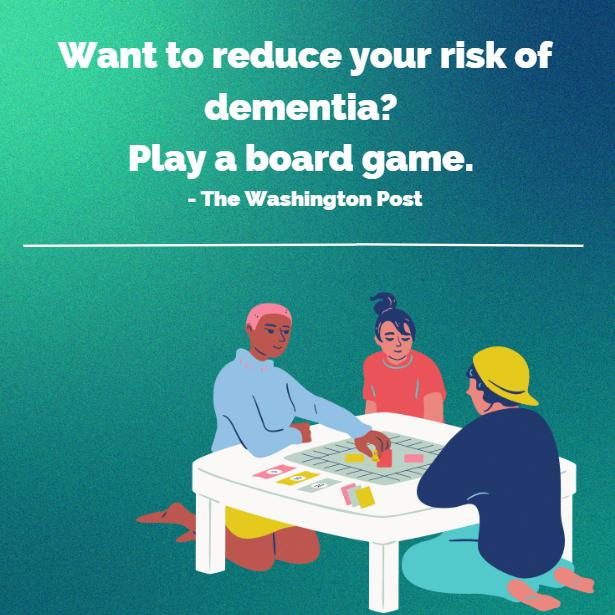
Want to reduce your risk of dementia? Play a board game. - The Washington Post
- posted: Sep. 08, 2025
Want to reduce your risk of dementia? Play a board game. - The Washington Post
Playing board games has been shown to reduce the risk of dementia in older adults, according to recent research cited by The Washington Post and other sources[1][2][3].
How Board Games Help Prevent Dementia
Board games are associated with higher cognition, improved quality of life, and a lower risk of developing dementia for older adults[1][4][5].
Engaging in board games enhances memory, strategic thinking, and problem-solving skills, which help maintain mental agility[5][6].
Social interaction during board games can reduce feelings of loneliness and depression, factors closely linked to dementia risk[5][7][3].
Studies have found that older adults who play board games regularly have up to a 15% lower risk of developing dementia compared to non-players[7][3].
Scientific Evidence
A 20-year cohort study showed that regular board game players experienced long-term benefits, with reduced risk observed decades later[7].
A meta-analysis revealed that games like chess, Go, and Mahjong improve mental function and quality of life while also supporting executive function and reducing depressive symptoms[6].
An eight-week program involving board games led to measurable improvements in cognition and mobility among seniors[8].
Why Board Games Are Effective
They stimulate the brain by encouraging planning, adaptation, and learning new experiences within each game session[3].
Board games also foster social connections, which provide emotional support and mental stimulation, both critical for healthy aging[5][3].
Recommendations
Regular participation in board games is an enjoyable way to boost cognitive reserves and reduce stress while promoting mental well-being[3].
Games suitable for seniors include chess, Monopoly, Scrabble, and socially engaging modern games like Ticket to Ride[9][3].
Playing board games is a simple, accessible strategy for supporting healthy brain aging and reducing dementia risk, supported by substantial scientific and observational evidence[1][7][6][3].
⁂
https://www.washingtonpost.com/wellness/2025/08/27/board-games-dementia-risk-reduce/
https://www.washingtonpost.com/wellness/2025/01/13/dementia-risks-reduction-strategies/
https://kensingtonplaceredwoodcity.com/board-games-more-than-just-good-fun/
https://www.washingtonpost.com/wellbeing/mind/
https://jslmi.org/the-benefits-of-playing-board-games-for-cognitive-health/
https://pubmed.ncbi.nlm.nih.gov/37638443/
https://pmc.ncbi.nlm.nih.gov/articles/PMC3758967/
https://www.ainvest.com/news/playing-board-games-reduce-risk-dementia-2508/
https://www.washingtonpost.com/wellness/2025/08/28/board-games-knee-pain-eczema/
https://www.oaima.org/aws/OSAP/pt/sd/news_article/600833/_PARENT/layout_details/false
- posted: Sep. 08, 2025
Want to reduce your risk of dementia? Play a board game. - The Washington Post
Playing board games has been shown to reduce the risk of dementia in older adults, according to recent research cited by The Washington Post and other sources[1][2][3].
How Board Games Help Prevent Dementia
Board games are associated with higher cognition, improved quality of life, and a lower risk of developing dementia for older adults[1][4][5].
Engaging in board games enhances memory, strategic thinking, and problem-solving skills, which help maintain mental agility[5][6].
Social interaction during board games can reduce feelings of loneliness and depression, factors closely linked to dementia risk[5][7][3].
Studies have found that older adults who play board games regularly have up to a 15% lower risk of developing dementia compared to non-players[7][3].
Scientific Evidence
A 20-year cohort study showed that regular board game players experienced long-term benefits, with reduced risk observed decades later[7].
A meta-analysis revealed that games like chess, Go, and Mahjong improve mental function and quality of life while also supporting executive function and reducing depressive symptoms[6].
An eight-week program involving board games led to measurable improvements in cognition and mobility among seniors[8].
Why Board Games Are Effective
They stimulate the brain by encouraging planning, adaptation, and learning new experiences within each game session[3].
Board games also foster social connections, which provide emotional support and mental stimulation, both critical for healthy aging[5][3].
Recommendations
Regular participation in board games is an enjoyable way to boost cognitive reserves and reduce stress while promoting mental well-being[3].
Games suitable for seniors include chess, Monopoly, Scrabble, and socially engaging modern games like Ticket to Ride[9][3].
Playing board games is a simple, accessible strategy for supporting healthy brain aging and reducing dementia risk, supported by substantial scientific and observational evidence[1][7][6][3].
⁂
https://www.washingtonpost.com/wellness/2025/08/27/board-games-dementia-risk-reduce/
https://www.washingtonpost.com/wellness/2025/01/13/dementia-risks-reduction-strategies/
https://kensingtonplaceredwoodcity.com/board-games-more-than-just-good-fun/
https://www.washingtonpost.com/wellbeing/mind/
https://jslmi.org/the-benefits-of-playing-board-games-for-cognitive-health/
https://pubmed.ncbi.nlm.nih.gov/37638443/
https://pmc.ncbi.nlm.nih.gov/articles/PMC3758967/
https://www.ainvest.com/news/playing-board-games-reduce-risk-dementia-2508/
https://www.washingtonpost.com/wellness/2025/08/28/board-games-knee-pain-eczema/
https://www.oaima.org/aws/OSAP/pt/sd/news_article/600833/_PARENT/layout_details/false
HOURS
Monday
9:00 am - 7:00 pm
Tuesday
9:00 am - 6:00 pm
Wednesday
9:00 am - 7:00 pm
Thursday
9:00 am - 6:00 pm
Friday
9:00 am - 2:00 pm
Saturday
9:00 am - 12:00 pm
Sunday
Closed
LOCATION
Find us on the map
Washington Wellness Center
1005 Washington Blvd
Robbinsville, NJ 08691
CONTACT US
1005 Washington Blvd Robbinsville, NJ 08691
(609) 426-1700