
Spinal Decompression from a
Chiropractor Near You in
Robbinsville, NJ
Back pain has a way of taking over daily life — from how you sit to how you sleep. The good news is, at Washington Wellness Center, your chiropractor in Robbinsville, NJ, we offer spinal decompression as a non-invasive treatment that can help relieve pressure on the spine and create space for healing.
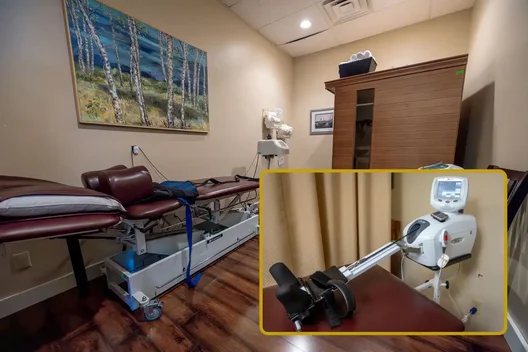
Spinal decompression is a therapy designed to gently stretch the spine and relieve pressure from compressed discs and irritated nerves. This treatment is often used for conditions like:
- Herniated or bulging discs
- Degenerative disc disease
- Sciatica
- Spinal stenosis
- Chronic low back or neck pain
By reducing pressure in targeted areas, decompression can help draw fluid, nutrients, and oxygen back into the discs — almost like rehydrating a dry sponge.
How the Treatment Works
The process involves lying on a special decompression table that moves in a controlled, computer-guided pattern. It applies gentle traction to the spine in cycles of pulling and relaxing.
Patients remain fully clothed and may feel a mild stretching sensation in the back or neck. It’s comfortable enough that some people doze off during treatment. There’s no cracking or twisting — just slow, focused movement that gives the spine room to breathe.
What to Expect Over Time
Spinal decompression isn’t a one-and-done treatment. It’s usually done in a series of sessions over several weeks. The goal is to reduce inflammation, restore disc height, and ease nerve irritation gradually.
As the pressure lifts, patients often report:
- Reduced pain and stiffness
- Improved mobility
- Less numbness or tingling in the arms or legs
- Better posture during daily activities
 Who Is a Good Candidate?
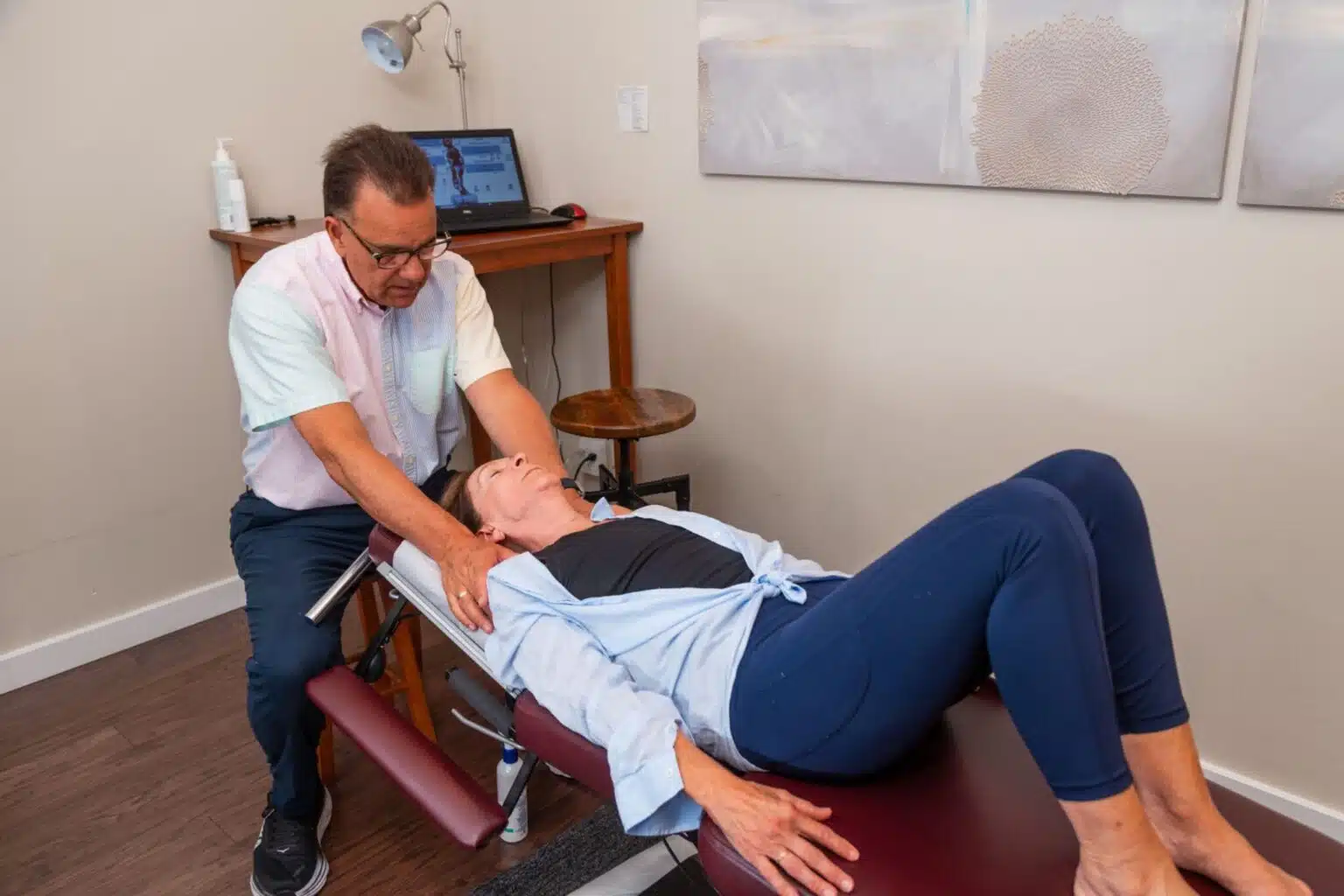
Not everyone is a fit for spinal decompression. It’s generally not recommended for patients with spinal fractures, tumors, metal implants in the spine, or certain types of osteoporosis. That’s why a proper evaluation comes first — potentially including imaging and a detailed review of your symptoms and health history.
Visit Us for Chiropractic Adjustments, Spinal Decompression Therapy, Herniated Disc Treatment, Bulging Disc Treatment, Lower Back Pain Treatment, and Sciatica Treatment
At Washington Wellness Center, your chiropractor in Robbinsville, NJ, we look at spinal decompression as one tool in a larger toolbox. It can be most effective when paired with consistent follow-up, smart movement habits, and a clear plan. Pain may try to press down on your daily life, but with the right treatment, you can help take that pressure off. Call us at (609) 426-1700 for chiropractic adjustments, spinal decompression therapy, herniated disc treatment, bulging disc treatment, lower back pain treatment, and sciatica treatment from a chiropractor near you.
-
 Dr. David SwanekampChiropractic Physician
Dr. David Swanekamp has been practicing Chiropractic care for more than twenty-five years. He brings to his patients a wealth of wellness options to help address their health concerns and issues. These treatment options include spinal adjustments, and physical modes like ultrasound, electric stimulation, traction, decompression therapy, trigger point therapy, cold lasers and many others.
Dr. Swanekamp has built a Wellness Center in Robbinsville, NJ that brings a well-rounded approach to health. This center brings together Chiropractic, Acupuncture, and Massage Therapy to ensure a complete and healing experience.
How Spinal Decompression Improves Spine Health
At Washington Wellness Center, we proudly offer spinal decompression therapy, a non-invasive treatment designed to alleviate back pain and enhance spine health. This innovative therapy gently stretches the spine, creating negative pressure within the discs, which can help relieve pressure on pinched nerves, reduce pain, and promote healing. Our skilled chiropractors use state-of-the-art equipment and personalized techniques to ensure each patient receives the care they need. Whether you're dealing with chronic back issues, herniated discs, or other spinal discomforts, our spinal decompression therapy aims to restore mobility, improve overall well-being, and support your journey towards a healthier lifestyle. Come experience the difference at chiropractor decompression therapy at Robbinsville NJ!
Expected Outcomes of Treatment
Patients often seek spinal decompression therapy to alleviate symptoms associated with various conditions like herniated discs, degenerative disc disease, or chronic back pain. The therapy targets the spine by gently stretching it, which can create negative pressure within the spinal discs. This process assists in repositioning bulging or herniated discs, reducing nerve compression, and promoting a healing environment for the spinal tissues. Many patients report significant pain relief as well as improved mobility following treatment sessions.
In conjunction with decompression, the therapy enhances circulation and nutrient flow to the spinal discs, fostering natural healing. As the pressure is alleviated, patients may experience a reduction in inflammation and improved oxygen supply to tissues. With the right protocols in place, outcomes may range from decreased discomfort and numbness to long-term relief from conditions like sciatica and spinal stenosis. While results can vary, many individuals find a noticeable improvement in their overall well-being after completing a recommended series of treatments. Our chiropractors accept insurance can help make treatment more accessible.
Short-term and Long-term Results
Patients often experience immediate relief from pain and discomfort following spinal decompression therapy. Many report a significant reduction in symptoms associated with nerve compression, such as tingling, weakness, and pain in the lower back. The noninvasive nature of the treatment contributes to its appeal, as it allows individuals to avoid surgery while still addressing pressing health concerns. The use of specialized tables, along with carefully calibrated settings, creates a vacuum effect that alleviates pressure on the intervertebral discs, promoting better health and enhanced mobility.
In the long term, research suggests that consistent therapy sessions may lead to lasting improvements in quality of life. Regular treatments can facilitate the healing of damaged ligaments and muscles while promoting proper alignment of the spine. Patients who incorporate additional modalities—like chiropractic adjustments and rehabilitation exercises—tend to experience even greater outcomes. With ongoing evaluations by healthcare practitioners, those undergoing spinal decompression can develop a comprehensive treatment plan tailored to their specific needs, potentially reducing the risk of further disability and enhancing overall well-being.
Understanding the Technology Behind Decompression
Spinal decompression therapy utilizes specialized tables designed to alleviate pressure in the spinal canal. These tables apply a controlled amount of force to the spine, gently stretching it to create negative pressure within the intervertebral discs. This negative pressure facilitates the retraction of herniated discs, allowing them to move back into their proper position. As a result, there is a potential increase in the flow of synovial fluid, which nourishes spinal structures, reduces inflammation, and promotes healing. Recent clinical trials have indicated statistically significant improvements in patients experiencing chronic pain and muscle spasms.
The technology behind decompression therapy also encompasses careful monitoring to ensure patient safety and comfort. Healthcare professionals assess the patient's posture and body alignment before initiating treatment, tailoring the therapy to individual needs. Additionally, advanced decompression systems include features such as programmable settings to customize treatment duration and intensity. This precision provides a targeted approach that can address a variety of conditions, including degenerative disc disease and discogenic pain. Overall, the integration of advanced technology in spinal decompression therapy enhances its efficacy while minimizing potential side effects.
The Role of Specialized Tables
Specialized tables play a pivotal role in spinal decompression therapy, designed to create precise traction in the spine. These advanced tables can adjust to the patient's unique needs, allowing for targeted decompression of specific areas affected by conditions like herniated discs or degenerative disc disease. By gently stretching the spine, they alleviate pressure on pinched nerves and facilitate the healing process. This technology addresses various spine injuries and chronic back pain by promoting a healthier spine alignment and improving overall function.
Incorporating technologies like computerized feedback systems, these tables enhance the accuracy of the treatments. They track changes in spinal tension and accommodate the user’s comfort level during the session. Moreover, specialized tables can be used for various techniques, such as lumbar or cervical decompression, which allows a tailored approach to each patient's treatment plan. This individualization is crucial for effective recovery from issues like slipped discs and sciatica, ensuring that patients receive therapies that best suit their specific conditions and needs.
Patient Profile for Decompression Therapy
Individuals experiencing chronic back pain or specific spinal conditions often seek spinal decompression therapy as a non-invasive treatment option. Common conditions that may make a patient a good fit for this therapy include herniated lumbar discs, cervical degenerative disc disease, and nerve impingement. In addition, those suffering from frequent headaches, soreness, or discomfort in the thoracic spine may find relief through this method. Chiropractors and physical therapists typically evaluate these symptoms alongside a patient's overall health history to determine suitability.
Candidates with a history of low blood pressure or certain spinal pathologies, such as scoliosis or spinal tumors, may require careful assessment before embarking on decompression therapy. A thorough evaluation will help identify any potential contraindications or risks associated with treatment. Moreover, the effectiveness of this technique can vary based on individual anatomy and response to treatment, making it vital to tailor the approach to each patient's unique profile.
Identifying Good Candidates
Good candidates for spinal decompression therapy often experience persistent back pain or symptoms related to nerve compression, such as leg pain or numbness. Individuals suffering from conditions like herniated discs, sciatica, or degenerative disc disease may find this non-invasive treatment particularly beneficial. It is essential to evaluate a patient’s overall health status and any underlying medical conditions that might influence treatment outcomes. This evaluation often includes diagnostic imaging to assess the severity of spinal issues and to determine if alternative treatments, such as medication or physical rehabilitation, have yielded insufficient results.
Patients with certain conditions should proceed with caution. Those who have undergone recent spinal surgery or who have specific structural anomalies in their spines may not be suitable candidates. Additionally, individuals with severe osteoporosis, active cancer, or significant neurological deficits should consult their healthcare provider to determine if spinal decompression is appropriate for them. Ensuring that patients have realistic expectations regarding relief from pain and functional improvement is also critical in the assessment process. For those exploring complementary treatments, learn more about how spinal manipulation can support overall spinal health.
Frequently Asked Questions (FAQs) About Decompression Therapy
What is Spinal Decompression Therapy
Spinal decompression therapy is a non-surgical treatment designed to relieve back and neck pain caused by herniated discs, bulging discs, sciatica, and other spinal conditions. It works by gently stretching the spine to reduce pressure on the discs and nerves, promoting natural healing.
How Does Decompression Therapy Help with Herniated Discs?
Decompression therapy creates negative pressure within the spinal discs, which can help retract or reposition herniated or bulging discs. This reduces nerve compression and inflammation, alleviating pain and discomfort.
Is Spinal Decompression Therapy Painful?
Individuals suffering from:
- Herniated or bulging discs
- Sciatica
- Chronic back or neck pain
- Pinched nerves
- Degenerative disc disease
However, patients with fractures, tumors, or certain spinal implants may not be suitable candidates. A consultation is necessary to determine eligibility.
How Long Does Each Decompression Therapy Session Last?
A typical spinal decompression therapy session lasts between 20 to 45 minutes. The number of sessions required depends on the severity of the condition and the individual’s response to treatment.
How Soon Will I See Results from Decompression Therapy?
Many patients experience relief after just a few sessions, while others may need several weeks of consistent treatment. Results vary based on the severity of the condition and the patient’s overall health.
Are There Any Side Effects of Spinal Decompression Therapy?
Side effects are rare, but some patients may experience mild soreness or stiffness after treatment, similar to the sensation after light exercise.