
Chiropractic Care: Building a Stronger Foundation for Health with Your Chiropractor Near You in Robbinsville, NJ
Pain isn’t always loud. Sometimes, it creeps in quietly — a tight shoulder here, a stiff lower back there. Over time, those small issues start to affect how you move, work, rest, and more. At Washington Wellness Center, your chiropractor in Robbinsville, NJ, chiropractic care is focused on more than just temporary relief. It’s a long-term approach to aligning your body and improving how you function day to day.
What Chiropractic Care Addresses
Chiropractic care is most commonly known for treating back and neck pain, but its scope is broader. At its core, it focuses on the musculoskeletal system — especially how the spine, joints, and nerves work together.
Conditions we often treat include:
- Chronic or sudden back pain
- Neck stiffness or limited range of motion
- Headaches linked to tension or poor posture
- Joint pain in the shoulders, hips, or knees
- Numbness or tingling caused by nerve compression

How Treatment Works
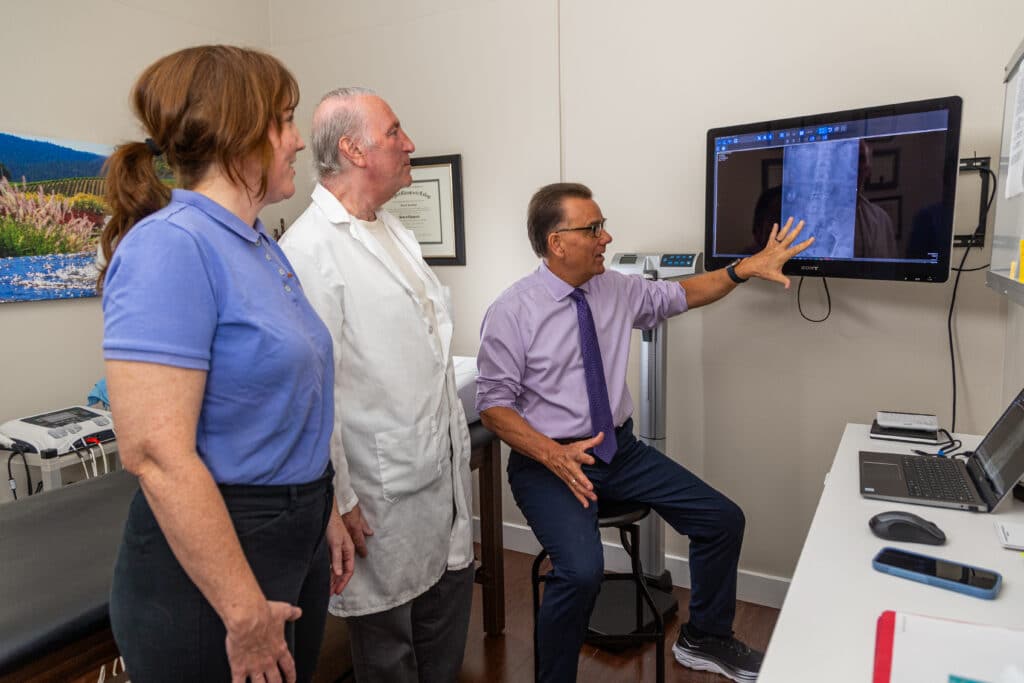
At Washington Wellness Center, treatment starts with a full evaluation. We look at posture, movement patterns, spinal alignment, and muscle balance. From there, we build a care plan that may include:
- Manual adjustments to correct misalignments
- Stretching and strengthening exercises
- Soft tissue therapy to release tension
- Education on proper ergonomics and movement habits
Each session builds on the last, like carefully stacking bricks to support a stronger structure. The process is tailored, not rushed, and adapted as your body responds.
Why Spinal Alignment Matters
When your spine is properly aligned, nerves may communicate more efficiently with muscles and organs. This may mean better movement, less inflammation, and quicker recovery when the body is under stress. Misalignments, on the other hand, can create pressure points that affect balance, comfort, and long-term joint health.
Long-Term Benefits
Beyond pain relief, regular chiropractic care may offer a number of other benefits:
- Improved flexibility and joint function
- Reduced risk of recurring injury
- Better posture and movement mechanics
- Decreased reliance on medication for chronic discomfort
- Enhanced physical performance in sports or everyday activity
Get Chiropractic Adjustments, Back Pain Treatment, Neck Pain Treatment, Headache Treatment, Migraine Treatment, Shoulder Pain Treatment, Massage Therapy, Acupuncture, and Spinal Decompression
Whether you’ve been dealing with discomfort for years or just want to stay ahead of it, chiropractic care can be a useful part of your health routine. At Washington Wellness Center, your chiropractor in Robbinsville, NJ, we take a measured, practical approach — listening to your needs, tracking your progress, and helping you move forward. Call us at (609) 426-1700 for chiropractic adjustments, back pain treatment, neck pain treatment, headache treatment, migraine treatment, shoulder pain treatment, massage therapy, acupuncture, and spinal decompression from a chiropractor near you.
-
 Dr. David SwanekampChiropractic Physician
Dr. David Swanekamp has been practicing Chiropractic care for more than twenty-five years. He brings to his patients a wealth of wellness options to help address their health concerns and issues. These treatment options include spinal adjustments, and physical modes like ultrasound, electric stimulation, traction, decompression therapy, trigger point therapy, cold lasers and many others.
Dr. Swanekamp has built a Wellness Center in Robbinsville, NJ that brings a well-rounded approach to health. This center brings together Chiropractic, Acupuncture, and Massage Therapy to ensure a complete and healing experience.
Comprehensive Chiropractic Care at Washington Wellness Center
At Washington Wellness Center, we offer comprehensive chiropractic care designed to promote optimal health and wellness for our patients. Our skilled chiropractors utilize a variety of techniques to address musculoskeletal issues, alleviate pain, and enhance mobility. Whether you are dealing with chronic back pain, neck discomfort, or sports injuries, our personalized treatment plans are tailored to meet your unique needs. We emphasize a holistic approach that not only targets immediate symptoms but also aims to improve your overall well-being. With our commitment to patient education and supportive care, Washington Wellness Center strives to empower you on your journey to a pain-free and healthier lifestyle with our chiropractor in Robbinsville NJ.
Conditions Treated by Chiropractors
Chiropractors utilize a range of techniques to address various musculoskeletal disorders, benefiting patients suffering from conditions like neck pain, low back pain, and headaches. Through spinal manipulation, these practitioners aim to restore proper alignment to the spine, alleviating pressure on nerves and improving overall function. This approach has shown effectiveness in managing symptoms associated with sciatica and arthritis. The emphasis on a comprehensive understanding of the nervous system allows chiropractors to treat pain holistically, often combining chiropractic adjustments with recommendations for exercise, posture correction, and complementary therapies such as massage and acupuncture.
In addition to common ailments, chiropractic care plays a vital role in managing chronic conditions like osteoarthritis and scoliosis. The profession is grounded in evidence-based practice, supported by research that highlights its benefits for various patients. Chiropractors often consider individual patient profiles to develop personalized treatment plans. Routine assessments may include diagnostic tools like X-rays to inform their approach and track progress. While the profession is sometimes viewed as alternative medicine, many medical doctors recognize the value of chiropractic therapy, advocating for collaboration in integrated health care models. Additionally, our chiropractors accept insurance that make treatment more accessible, allowing patients to receive care without financial strain.
Addressing Musculoskeletal Disorders
Chiropractors often address a wide variety of musculoskeletal disorders, focusing on the interplay between spinal adjustments and overall body function. Conditions such as neck pain, back pain, and migraines fall within their scope of practice. Techniques like spinal manipulation can improve range of motion and alleviate inflammation, contributing to enhanced mobility and reduced stiffness. This approach is informed by a thorough evaluation, including physical exams, to tailor treatments to individual needs.
Furthermore, chiropractic care can be integral in a comprehensive rehabilitation program. By collaborating with primary care providers and incorporating aspects of nutrition and fitness, chiropractors can support the immune system and promote healing. This holistic view aligns with the principles advocated by organizations like the American Chiropractic Association. While some may question the scientific foundation of chiropractic medicine, systematic reviews have highlighted its efficacy in treating certain conditions, establishing a valid place within mainstream medicine.
Chiropractic Education and Training
Becoming a chiropractor involves extensive education and training typically culminating in a Doctor of Chiropractic (D.C.) degree. Most programs require students to have completed at least three years of undergraduate studies, with a strong emphasis on health sciences, before entering a chiropractic college. The curriculum at institutions such as Palmer College of Chiropractic covers a wide range of subjects including anatomy, physiology, pathology, and orthopedics. Students engage in hands-on clinical training, allowing them to develop practical skills in chiropractic techniques and patient care. In addition to the academic component, prospective chiropractors must also pass national and state examinations to obtain licensure.
Chiropractic education places a significant focus on scientific evidence and clinical research, ensuring that practitioners are well-equipped to address a variety of musculoskeletal conditions. Some programs incorporate studies on complementary medicine and the role of chiropractic in healthcare alongside traditional medical approaches. This multifaceted training helps to dispel myths surrounding the profession and promotes collaboration with general practitioners. Additionally, ongoing education is essential, as chiropractors often need to stay updated on the latest research and treatment methods to provide optimal care for their patients.
Pathways to Becoming a Chiropractor
Aspiring chiropractors must complete a rigorous educational pathway that typically begins with obtaining an undergraduate degree, often with a focus on the sciences. Following this, candidates must attend an accredited chiropractic college, where they will undergo extensive training in fields such as anatomy, physiology, and neuromusculoskeletal disorders. Coursework includes specialized studies in chiropractic theory, techniques like spinal manipulative therapy, and clinical training that allows students to develop hands-on skills. Many programs emphasize evidence-based guidelines to ensure that graduates can provide safe and effective care.
In addition to formal education, chiropractors are required to pass national and state licensing examinations. These assessments test their knowledge of various chiropractic techniques, safety practices, and diagnostic methods. Board certification can further enhance a chiropractor's credentials, showcasing their commitment to continuing education and proficiency in the field. Postgraduate training opportunities, such as residencies or certifications in specialized areas like chiropractic biophysics or sports rehabilitation, offer additional avenues for professional growth and expertise.
Safety and Risks Associated with Chiropractic Care
Chiropractic care is often regarded as a safe and effective approach to managing various musculoskeletal issues. Nevertheless, like any medical treatment, there are potential risks associated with these therapies. Patients may experience mild side effects, such as temporary discomfort, soreness, or fatigue following a session. More serious complications, though rare, can include vertebral artery dissection, which can lead to significant neurological consequences if not addressed promptly.
Patients with specific underlying health conditions, such as osteoporosis or a herniated disk, should consult with their healthcare providers before beginning chiropractic treatments. Conditions like hypertension or a history of strokes may also influence the suitability of manipulative therapies. Comprehensive evaluations by qualified practitioners help ensure that chiropractic care complements a patient’s overall treatment plan while minimizing associated risks. This collaborative approach is essential in promoting safe and effective pain management alternatives.
Understanding Potential Complications
Chiropractic care, while generally considered safe, can have potential complications that patients should be aware of. Some individuals may experience mild discomfort or soreness following a session, which typically resolves within a day. More serious adverse effects, although rare, can include nerve damage or significant injury to joints, particularly in cases involving high-velocity adjustments. Concerns have been raised around specific conditions such as rheumatoid arthritis or severe osteoporosis, where manual manipulation could pose greater risks. Studies and clinical trials have begun to delve into these complications, aiming to identify circumstances under which chiropractic adjustments might lead to unfavorable outcomes.
Awareness of these potential issues is essential for patients seeking alternative therapy for musculoskeletal pain. It is advisable for individuals, especially those with pre-existing conditions, to consult with family physicians before undergoing treatment. Chiropractors undergo extensive education, including training in basic sciences and clinical studies, thereby equipping them with the necessary knowledge to assess the risks of their techniques. By integrating a comprehensive examination and reviewing patient forms into their practice, they strive to minimize complications and enhance the clinical outcome of their patients. Understanding these aspects of chiropractic care can aid individuals in making informed decisions regarding their health and treatment options.
FAQS
What conditions can chiropractors treat?
Chiropractors can treat a variety of conditions, primarily focusing on musculoskeletal disorders such as back pain, neck pain, headaches, and joint issues. They also address related symptoms like tension and discomfort.
How does chiropractic care help with musculoskeletal disorders?
Chiropractic care helps alleviate pain and improve function by using spinal manipulation and other manual techniques to realign the spine, reduce inflammation, and enhance mobility in affected areas.
What kind of education do chiropractors need?
Chiropractors typically complete a Doctor of Chiropractic (D.C.) degree, which requires about four years of graduate education after earning an undergraduate degree. They also undergo clinical training to develop hands-on skills.
What are the pathways to becoming a chiropractor?
To become a chiropractor, individuals must complete pre-requisite undergraduate courses, attend an accredited chiropractic college for their D.C. degree, and pass licensing exams to practice in their state.
Are there any risks associated with chiropractic care?
While chiropractic care is generally safe, there are potential risks, including temporary soreness, stiffness, or rare complications such as nerve injury or stroke in specific cases. It's important to discuss any concerns with your chiropractor.